Grout is the finishing step that makes or breaks a tiling job. The right grout protects tile edges, keeps water and dirt out of the joints, and pulls the whole surface together visually. The wrong one cracks, stains or grows mould within months. This trade guide explains the main types of tile grout and how to choose the right one for walls, floors and wet areas.
What is tile grout?
Grout is the material used to fill the joints between tiles once the adhesive has set. It seals the gaps against water and debris, supports the tile edges against movement and impact, and gives the finished surface a clean, uniform look. Grouting is the stage that follows tiling, so it pairs directly with your choice of adhesive — see our guide to rapid-set vs standard tile adhesive for the step before this one.
The main types of tile grout
Most grout falls into three families, each suited to different jobs.
Cement-based grout
The most common choice for both walls and floors. Cement-based grout comes as a powder mixed with water and is available in a wide range of colours and joint widths. It is cost-effective, strong and versatile, making it the standard for the majority of domestic and trade tiling. Browse our cement-based grouts for wall and floor options.
Ready-mixed grout
Supplied in tubs ready to use, this is a convenient option for small wall-tiling jobs and quick repairs. It saves mixing, but it is generally not recommended for floors, wide joints or permanently wet areas, where a cement-based product performs better.
Epoxy grout
A two-part, high-performance grout that is highly durable, waterproof and resistant to stains and chemicals. Epoxy grout is the premium choice for commercial kitchens, wet rooms and heavy-use areas, though it is more expensive and less forgiving to apply than cement-based grout.
Wall grout vs floor grout
Wall and floor grouts are formulated differently. Wall grout is designed for the narrower joints typical of ceramic wall tiles and gives a smooth finish. Floor grout is built for durability, standing up to foot traffic and the wider joints common on floor tiles. Using a dedicated wall tile grout or floor tile grout for the right surface gives a longer-lasting result than a one-size-fits-all product.
Narrow-joint vs wide-joint grout
Joint width matters more than most people expect. Narrow-joint (fine) grout is made for tight joints, typically up to around 3–4 mm, and gives a smooth finish on wall tiles. Wide-joint grout contains a fine aggregate that resists shrinkage and cracking across larger gaps, which is why it suits floor tiles and rustic finishes. Always match the grout to the joint width stated on the bag.
Mould-resistant grout for bathrooms and wet areas
Black mould in grout lines is the most common complaint in bathrooms and wet rooms. A mould-resistant grout contains additives that inhibit mould and mildew growth, keeping joints cleaner for longer in humid conditions. For showers, wet rooms and bathrooms, our Steri-Grout mould-resistant wall & floor tile grout is designed exactly for this. Pair it with a quality silicone in the internal corners — grout is not flexible enough for movement joints.
Rapid-set grout — when speed matters
Like rapid-set adhesive, fast-setting grouts cure quickly so a floor can be returned to service or a job finished the same day. The trade-off is the same: a shorter working time, so mix smaller batches and clean off excess promptly before it hardens on the tile face.
How to choose the right grout
Run through this checklist before you buy:
- Wall or floor? — use a floor-rated grout for anything taking foot traffic.
- Joint width — match narrow- or wide-joint grout to the gap between your tiles.
- Wet area? — bathrooms, showers and wet rooms benefit from a mould-resistant or epoxy grout.
- Traffic and use — heavy or commercial use points towards epoxy or a high-strength cement grout.
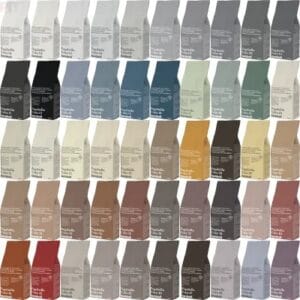
- Colour — match or contrast with the tile; darker grouts hide dirt better on floors.
- Speed — choose a rapid-set grout only if you genuinely need a fast turnaround.
Grouting tips for a professional finish
- Let the tile adhesive cure fully before grouting — grouting too soon can lift or shift tiles.
- Mix cement-based grout to a smooth, firm paste and only make up what you can use in the working time.
- Work the grout into joints with a rubber float held at an angle, filling them completely.
- Wipe off excess with a damp sponge before it dries, then polish away haze once the surface has firmed up.
- Use silicone, not grout, in internal corners and movement joints where flexibility is needed.
Shop tile grout at The Mastic Shop
We stock trade-quality grout for every tiling job. Browse the tiling range, choose a wall tile grout or floor tile grout, or protect wet areas with Steri-Grout mould-resistant grout.