Flat roofs are one of the most maintenance-intensive elements of any UK property. Unlike a pitched roof where water runs off quickly, a flat roof relies entirely on its surface membrane and drainage to stay watertight. Over time, membranes crack, joints open up, flashings lift, and water finds its way in. Spring and early summer is the busiest period for roofing contractors dealing with the damage that has accumulated over the winter months, and having the right sealant products to hand makes a significant difference to how efficiently those jobs can be completed.
This guide covers the main types of roofing sealant used on flat roofs, their applications, and the practical considerations that determine which product is right for a given job.
Why flat roofs need specialist sealants
The demands placed on a roofing sealant are significantly different from those on an interior sealant. Products used on flat roofs must withstand:
- Continuous UV exposure, which degrades many standard sealants and causes them to crack or become brittle
- Ponding water, which puts sustained pressure on any joint or crack in the membrane
- Significant thermal movement as the roof surface expands and contracts between cold nights and warm days
- Wind uplift at exposed edges and flashings
- Foot traffic during maintenance and inspection
A sealant that performs perfectly in a bathroom or around a window frame will not last on an exposed flat roof. Roofing sealants are specifically formulated to handle these conditions and are tested to do so over an extended service life.
Main types of roofing sealant
Understanding the key product types helps in selecting the right material for the job:
- Bitumen-based sealants and compounds: bitumen is the traditional flat roof material, and bitumen-based sealants remain widely used for repairs to built-up felt roofs, flashings, and lead work. They provide excellent waterproofing and good adhesion to most roofing substrates. Cold-applied bitumen compounds can be used for crack filling, joint sealing, and as a primer coat under more substantial repairs.
- Liquid waterproofing membranes: applied by brush or roller, liquid membranes cure to form a seamless, fully bonded waterproof layer. They are particularly effective for covering complex roof geometries with multiple upstands, outlets, and penetrations where a sheet membrane would be difficult to detail. Most liquid membranes are polyurethane or acrylic-based and are available in trade formats for large area application.
- Flashing tape and sealing tape: self-adhesive butyl or bitumen-backed tapes designed for sealing flashings, abutments, and joints. Easy to apply and effective in the right conditions, though surface preparation is critical to achieving a lasting bond.
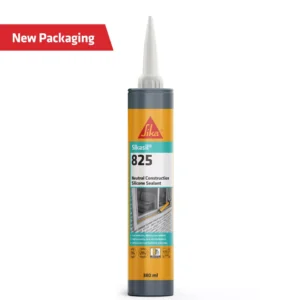
- Silicone roofing sealants: neutral cure silicone is used for sealing small joints and penetrations on flat roofs, particularly around rooflights, gutters, and UPVC trims. Not suitable for large area waterproofing but effective for detail work where flexibility and weather resistance are needed.
- Roof repair compounds: heavy-bodied compounds designed to fill cracks, blisters, and damaged areas in felt or asphalt roofing. Typically applied by trowel and finished with a mineral dressing or reinforcing fabric for additional durability.
Common flat roof repair applications
Most flat roof maintenance and repair work falls into a relatively small number of categories. The right sealant choice for each is as follows:
- Cracked or blistered felt: a cold-applied bitumen repair compound applied by trowel, with reinforcing fabric pressed into the wet compound and then overcoated, is the standard repair for localised felt damage.
- Open joints at abutments: where the felt or membrane meets a wall or parapet, the joint is a common point of failure. A flashing tape or bitumen-based flashing sealant applied to a clean, primed surface is the appropriate repair.
- Leaking rooflights and skylights: the junction between a rooflight frame and the roof deck is a frequent source of leaks. A neutral cure silicone sealant applied to clean, dry surfaces provides a flexible weatherproof seal that accommodates the movement between the frame and the deck.
- Ponding areas with surface cracking: where the roof surface has degraded across a wider area, a liquid waterproofing membrane applied over the cleaned and primed surface provides a longer-term solution than repeated spot repairs.
- Failed or lifted flashings: lead, zinc, or aluminium flashings that have lifted or opened at joints can be re-dressed and sealed with a bitumen-based flashing compound or a suitable metal-to-substrate sealant.
Surface preparation for flat roof work
Surface preparation on flat roof repairs is at least as important as product selection. The most common reason for a roofing repair failing prematurely is inadequate preparation of the substrate before the sealant or compound is applied.
The key steps are:
- Remove all loose, friable, or delaminated material from the repair area before applying any sealant
- Clean the surface thoroughly, removing moss, algae, dirt, and any chalking or degraded coating
- Allow the surface to dry completely — applying any roofing compound to a wet substrate will prevent bonding and trap moisture under the repair
- Prime the substrate where required — bitumen compounds in particular benefit from a primer coat on porous or dusty surfaces to improve adhesion and reduce absorption of the compound into the substrate
- Mask adjacent surfaces where a neat edge is required, particularly around rooflights and trims
On older roofs with significant surface degradation, it is worth assessing whether a spot repair is appropriate or whether a more comprehensive treatment of the affected area would provide better long-term value. A series of individual repairs on a roof that is approaching the end of its service life will rarely outperform a full liquid membrane application over the whole deck.
Working safely on flat roofs
Flat roof work carries specific safety considerations that are worth setting out clearly:
- Always check the roof structure is capable of supporting the weight of operatives and materials before starting work
- Use appropriate edge protection at roof perimeters and around openings
- Be aware of fragile roof surfaces, particularly older asbestos cement or fibre cement sheets which may not be capable of supporting foot traffic
- Check weather conditions before starting — wet surfaces are both slippery and unsuitable for sealant application
- Allow sufficient time for products to cure before exposing them to rain or foot traffic
These are minimum sensible precautions rather than a comprehensive working at height risk assessment, which should be completed for any significant roofing project.
Choosing the right product
When selecting a roofing sealant or compound, the key questions to ask are:
- What is the existing roof surface material, and is the sealant compatible with it?
- What type of defect is being repaired — a crack, a joint, a failed flashing, or a degraded surface?
- What are the exposure conditions — is the repair in a ponding area, at a high-movement joint, or in a sheltered location?
- Does the repair need to be walked on or overcoated, and if so does the product allow for this?
- Is a primer required, and if so is it included or does it need to be ordered separately?
Getting clear answers to these questions before ordering means arriving on site with the right product rather than making do with what is available.
Where to source roofing sealants for trade
The Mastic Shop stocks a full range of roofing sealants and compounds including bitumen-based products, flashing tapes, and roof repair compounds from trusted trade brands, at wholesale pricing with nationwide delivery.
Browse our full roofing range to find the right product for your next job, or get in touch with our team if you need advice on product selection for a specific application.